
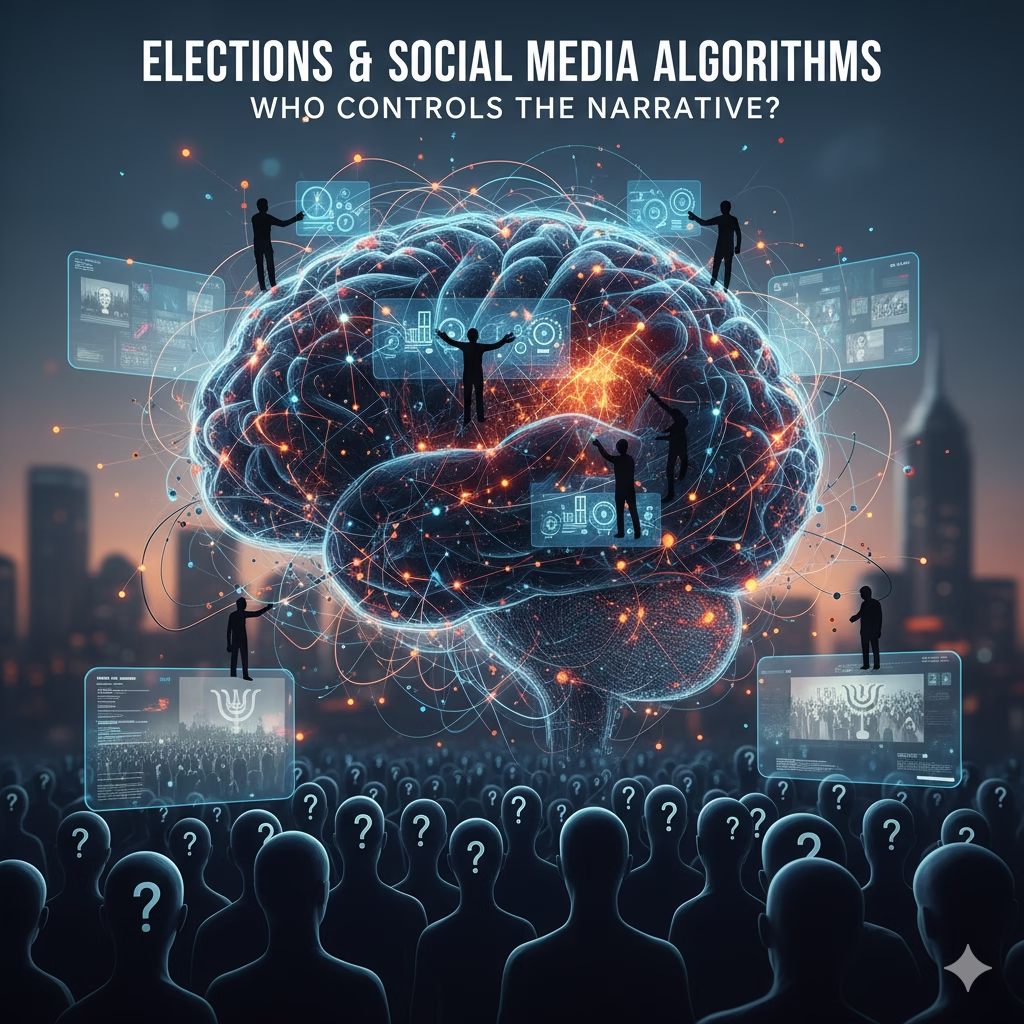
The algorithms behind the scenes must remain free of complications. It must be determining what people see in the posts. Moreover, determining how they think, feel and vote. Such systems are able to prioritize some messages when downplaying others, and the users may not even notice it.
The very notion of algorithmic election influence brings light on the ability of these online processes to significantly influence the voter preference and determine the outcome of the election. It is very important to understand what such influence is in order to keep democratic processes transparent and fair.
The Power of Social Media Algorithms
Social media algorithms refer to rules algorithms in platforms to determine what to display to the user. They are set to maintain users so as to avail posts, videos, and news that they can relate to. On the face of it, this would not be so bad but these algorithms play a big part in political information.
Algorithms make forecasts on which posts will attract the attention of users. Its effect is useful for platforms to directly shape the opinions of the masses by filtering particular political messages as a priority. This has the capacity of appealing to the hearing of voters and manipulating the outcome of an election subtly.
The Role of Algorithmic Election Influence
This manipulation occurs through algorithmic influence on how voters must act. Some of these posts may be repetitive and more regular as the algorithm will anticipate that they will gain lots of attention.
Targeting and customized feeds
With the analysis of the user data the platforms can present targeted messages to particular audience. There is a possibility that one voter will receive a totally different set of information than the other voter, forming their impressions in different ways.
Emotional Manipulation with Via Content
Campaigns typically make posts that touch on feelings such as fear, anger or hope. The fast spread is due to the fact that the algorithm places more emphasis on engagement to increase the influence of posts.
Social Media Bias 2025: The New Challenge
Specialists say that social media bias 2025 may get complications and remain unnoticeable. By contributing to such predictability of user behavior, IA enables platforms to confidently broadcast content that has a tendency to be sensational.
Algorithms even without political agenda will incline to promote whatever keeps people using the platform. Sentimental or emotional or sensational messages travel more than facts and give a clearer view. When the users feel that they are consuming unbiased information, they can base decisions on partially incomplete or misleading information. This is why the knowledge about algorithmic influence on election is necessary
AI in Politics: A Double-Edged Sword
Campaigns are employing more and more artificial intelligence. AI in politics is able to use huge chunk of data to predict, determine the behavior of voters, and even produce their own gospels.
Opportunities to Campaigns
AI will allow campaigns to target voters more efficiently and to know which messages are of greatest weight to voters, increasing turnout and turnover.
The Perils and Controls of Manipulation
Deeper-fake videos, bots, falsified posts and the likes are also possible under IA. These platforms increase algorithmic manipulations on elections, making some parties have unfair advantages and ethical standards.
Technology and Democracy: Finding the Balance?
The increase in social media that is in the control of algorithm is posing some key questions on tech and democracy. Technology can reinforce contact however, there is the risk of manipulation of views using technology
Rules and Openness
Governments and advocacy groups demand clarity over the way in which platforms place an emphasis on political content. Misinformation can be thwarted with transparency to algorithms to regain trust.
Educating Voters
Media literacy courses explain to individuals how algorithms determine their online experiences. Citizens, who are informed, are less prone to manipulation and are rather independent.
Case Studies: Real World Examples
The latest elections demonstrate how potent the algorithmic processes of social media may be. Campaigns wield millions on specific advertisement and content marketing. They design it effectively and engage the audience.
A misleading material was seen by millions in a few elections and facts still could not emerge. Strong emotional reactions were given precedent over other posts by algorithms. Even minor alterations to the presentation of content can influence voter preferences. Therefore, it makes algorithmic influence in elections very crucial.
Looking Forward: What Can Be Done?
Elections will also become skewed by algorithms as social media continues to develop. In order to defend the status of democratic processes, a mix of corporate platform responsibility, voter education and governance is necessary.
- To reduce the manipulation of political information, social media firms need to guarantee political messages are fair, accurate and non-manipulative.
- Governments can develop guidelines that entail clear rules on transparency and accountability of algorithms.
- Concurrently, voters should ask where the information they receive comes from. Also, crosscheck facts and critically evaluate information before they make decisions.
The sum of these would help society minimize the effect of algorithmic manipulation of elections. Therefore, maintain the integrity of democracy.
Conclusion
Algorithms of social media have become a strong element of elections. It happens through micro targeted advertisements and news feeds curated by these platforms. Moreover, this has a significant impact on what the electorate sees, reads, and believes. It is important to understand the algorithms election influence to retain democracy. Although optimistic about the opportunities that technology will create in politics. Moreover, the issues of social media bias 2025 poses. There are challenges as well.
Through the vision of transparency, media literacy and responsible use of technology, the society will be free to hold elections. They will be free, fair and echo voices of people. Being able to recognize the relationship algorithms have to narratives is the first move towards re-gaining control of our political future.